01st May 2026
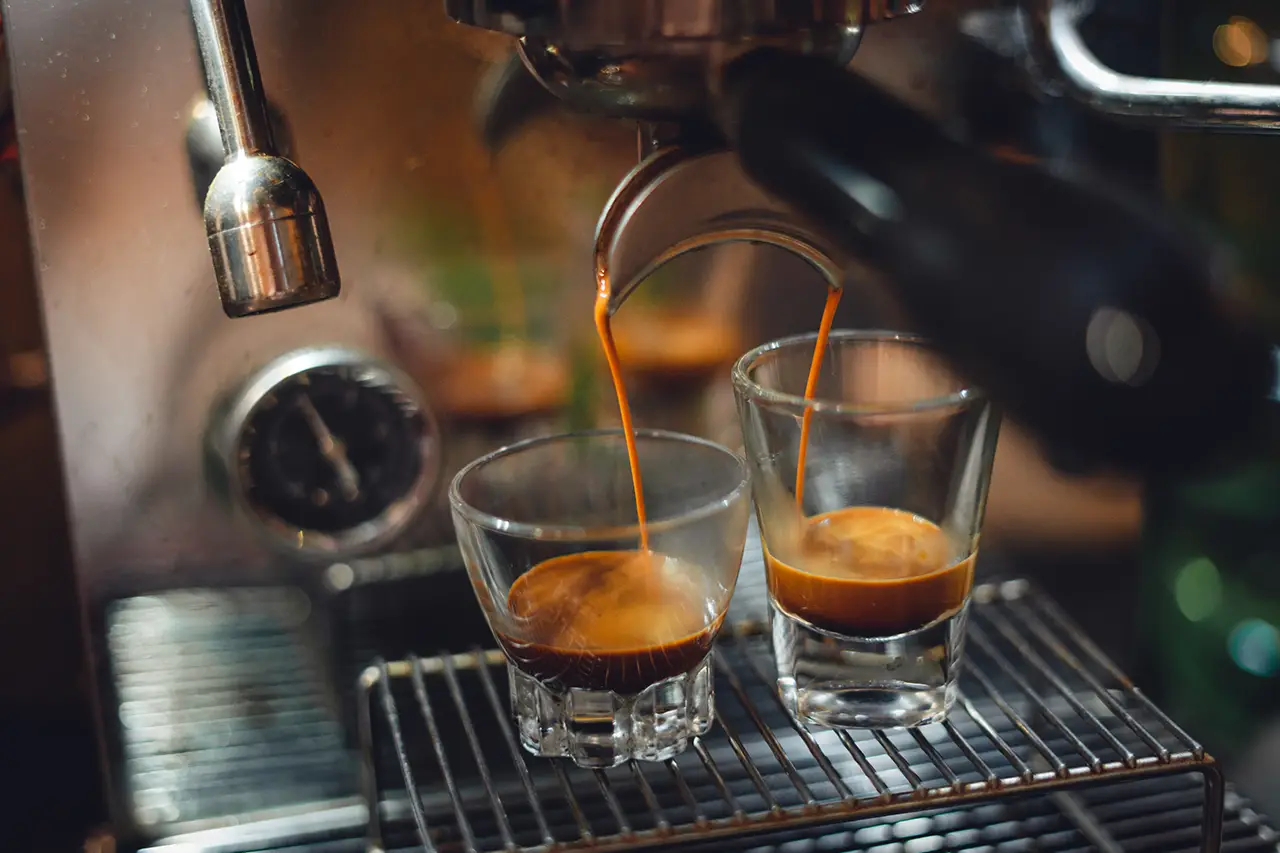
A good espresso is small, strong, and full of flavour. It should have a rich body, a balanced taste, and a golden crema sitting on top. It may look simple in the cup, but getting it right takes care, practice, and the correct method.
At John Street Beverage, we have spent over 40 years working in the coffee industry, supplying quality coffees, coffee machines, and barista training to homes and businesses. One thing we have learnt over the years is that perfect espresso starts with good coffee, but it also depends on skill, timing, and clean equipment.
The quality of your espresso begins with the coffee itself. Fresh coffee beans give better aroma, better flavour, and a richer result in the cup. If the beans are old, poorly stored, or low quality, even the best machine will struggle to produce a good espresso.
At John Street Beverage, we supply a range of fine coffees, including Arabica blends and well-known Lavazza Italian coffee beans. Choosing the right coffee for your machine and taste preference is the first step towards producing a better espresso at home or in a commercial setting.
Espresso needs a fine grind, but not too fine. If the coffee is ground too coarse, the water will pass through too quickly and the espresso will taste weak. If it is too fine, the water may pass through too slowly, leaving the drink bitter and unpleasant.
A good espresso grind should feel fine and even, almost like table salt but slightly softer. You may need to adjust your grinder throughout the day, especially in busy cafés, as temperature and humidity can affect how coffee behaves.
Using the correct amount of coffee is important if you want a balanced espresso. Too little coffee can make the drink thin and watery. Too much coffee can make it harsh, heavy, or difficult to extract correctly.
For many traditional espresso machines, a double shot will often use around 18 to 20 grams of ground coffee, but this can change depending on your machine, coffee blend, and basket size. The main goal is to stay consistent, so each drink tastes the same every time.
Tamping means pressing the ground coffee firmly and evenly into the portafilter. This helps create a flat coffee bed so the water flows through the coffee at the right speed. Uneven tamping can cause the water to pass through weak areas, which affects the taste.
You do not need to press with extreme force. What matters most is keeping the tamp level and steady. After tamping, the surface of the coffee should look smooth and flat before the portafilter is locked into the machine.
Extraction time is one of the key parts of brewing espresso. A good espresso usually takes around 25 to 30 seconds to pour, although this can vary slightly based on the coffee and machine. If it pours too quickly, the taste may be sour or thin. If it takes too long, it may taste bitter.
The espresso should flow in a smooth, steady stream. The crema should look golden and even, not too pale and not too dark. With practice, you will start to notice how small changes in grind, dose, and tamp affect the final drink.
Clean equipment is vital for good espresso. Coffee oils, old grounds, and milk residue can affect flavour and cause machine problems over time. A dirty machine can make even high-quality coffee taste flat or burnt.
Commercial machines should be cleaned daily, with regular backflushing, group head cleaning, and steam wand care. At John Street Beverage, our barista training covers correct machine cleanliness because it plays such a big role in both coffee quality and machine life.
If you are making drinks such as lattes, cappuccinos, and flat whites, milk texture matters just as much as the espresso. Good milk should be smooth, glossy, and free from large bubbles. It should mix well with the espresso rather than sitting heavily on top.
Our barista courses teach the correct way to steam and texture milk, helping baristas create micro foam for better drinks and latte art. This is especially useful for cafés, restaurants, and hotels that want every cup to look and taste professional.
Brewing the perfect espresso is not only about following steps. It is about understanding how coffee works. A trained barista can spot problems quickly, adjust the grinder, control extraction, and serve drinks with confidence.
John Street Beverage offers Foundation, Advanced, and Latte Art training courses for individuals and businesses. These courses help new and experienced baristas improve their skills, understand espresso-based drinks, and serve coffee that meets customer expectations.
The perfect espresso comes from the right mix of quality coffee, clean equipment, good technique, and regular practice. Once you understand the basics, you can make small changes until the flavour, body, and crema are exactly where you want them to be.
If you want to improve your coffee skills or train your team, John Street Beverage can help. With decades of industry experience, quality wholesale coffee, machine support, and barista training, we can help you serve better espresso with confidence.


