31st July 2026
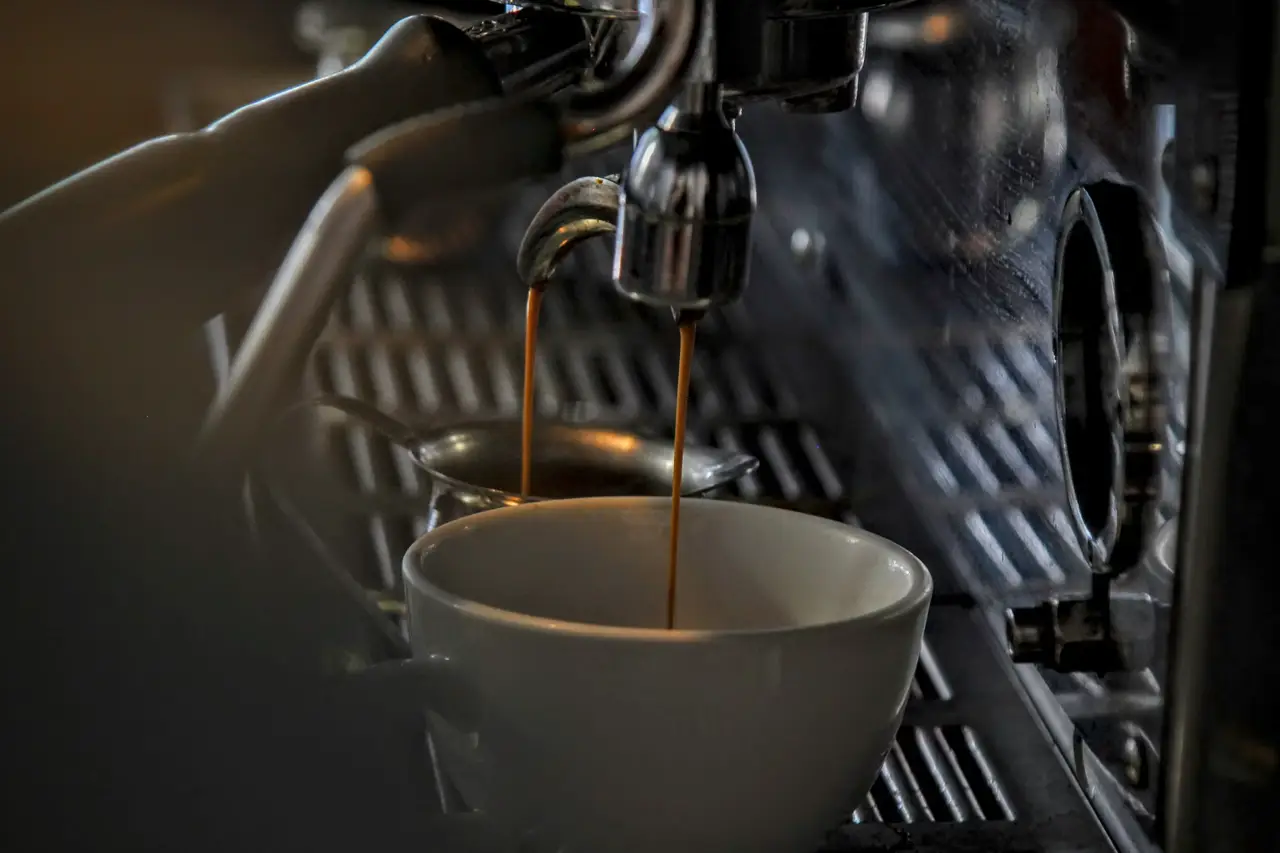
Your coffee machine is the heartbeat of your business. When it works well, everything flows. When it doesn’t, you lose time, money, and customers. The trouble is, most machines don’t just stop working overnight. They give you warning signs first, and if you know what to look out for, you can catch problems early and avoid expensive repairs.
Here at John Street Beverage, we’ve been servicing commercial coffee machines for over 40 years. Our engineers see the same issues come up time and again, and in almost every case, the business owner says the same thing: “I wish I’d called sooner.” So let’s go through the signs that your coffee machine is trying to tell you something.
This is usually the first thing people notice. If your espresso tastes bitter, sour, or just flat compared to what it normally produces, something is off. It could be a build-up of old coffee oils inside the group head, a worn gasket affecting the pressure, or scale forming in the boiler. None of these problems fix themselves, and they all get worse over time. If your regulars start leaving half-finished cups on the table, don’t blame the beans. Get the machine checked.
Espresso needs to be brewed at the right temperature. Too hot and it burns the coffee. Too cool and it under-extracts, leaving you with a weak, watery shot. If your machine is fluctuating between hot and cold, or if the steam wand takes noticeably longer to heat up, the thermostat or heating element may need attention. Temperature issues are one of those problems that creep in gradually, so staff often adjust without realising how far things have drifted from where they should be.
Any visible leak, whether it’s pooling under the machine, dripping from the group head, or seeping from a pipe connection, needs immediate attention. Even a small drip can point to a failing seal or a cracked component. Left alone, a minor leak can cause water damage to your counter or, worse, create an electrical hazard. If you spot water where it shouldn’t be, switch the machine off and call an engineer.
Most commercial espresso machines have a pressure gauge on the front. If the needle is sitting lower or higher than its usual range, the pump or pressure valve may be wearing out. Low pressure means poor extraction and thin crema. High pressure puts unnecessary strain on seals and internal components. Either way, it is worth getting a professional to take a look before a small adjustment turns into a bigger repair.
You know what your machine sounds like on a normal day. If it starts making grinding, rattling, or buzzing noises that weren’t there before, something mechanical has likely shifted or worn down. Pumps, valves, and motors all have moving parts, and those parts do eventually wear. Unusual sounds are your machine’s way of asking for help.
If your shots are pulling slower than usual, or the flow seems to stop and start, there could be a blockage in the system. Scale build-up is the most common cause, particularly in hard water areas like Kent and London. A professional descale can restore your machine to full performance and extend its working life significantly.
Even if everything seems fine, an annual service is essential for any commercial coffee machine. Regular servicing catches wear and tear before it becomes a problem, keeps your machine running efficiently, and ensures you stay compliant with pressure vessel safety regulations. All commercial machines with a pressurised boiler are legally required to have a valid PSSR certificate, and an annual service is the easiest way to keep that up to date.
A machine that goes down during a busy Saturday morning costs you far more than a scheduled service ever would. At John Street Beverage, our engineers carry a 98% first-fix rate on callouts, and we work with all the major brands including Lavazza, Jura, La Spaziale, Conti, and Expobar. If your machine needs more than an on-site repair, we’ll take it back to our workshop and provide you with a loan machine so your business keeps running.
If any of the signs above sound familiar, give us a call on 01322 381380 or drop us an email at orders@jsbeverage.com. We’d rather help you prevent a problem than fix one.


