22nd June 2026
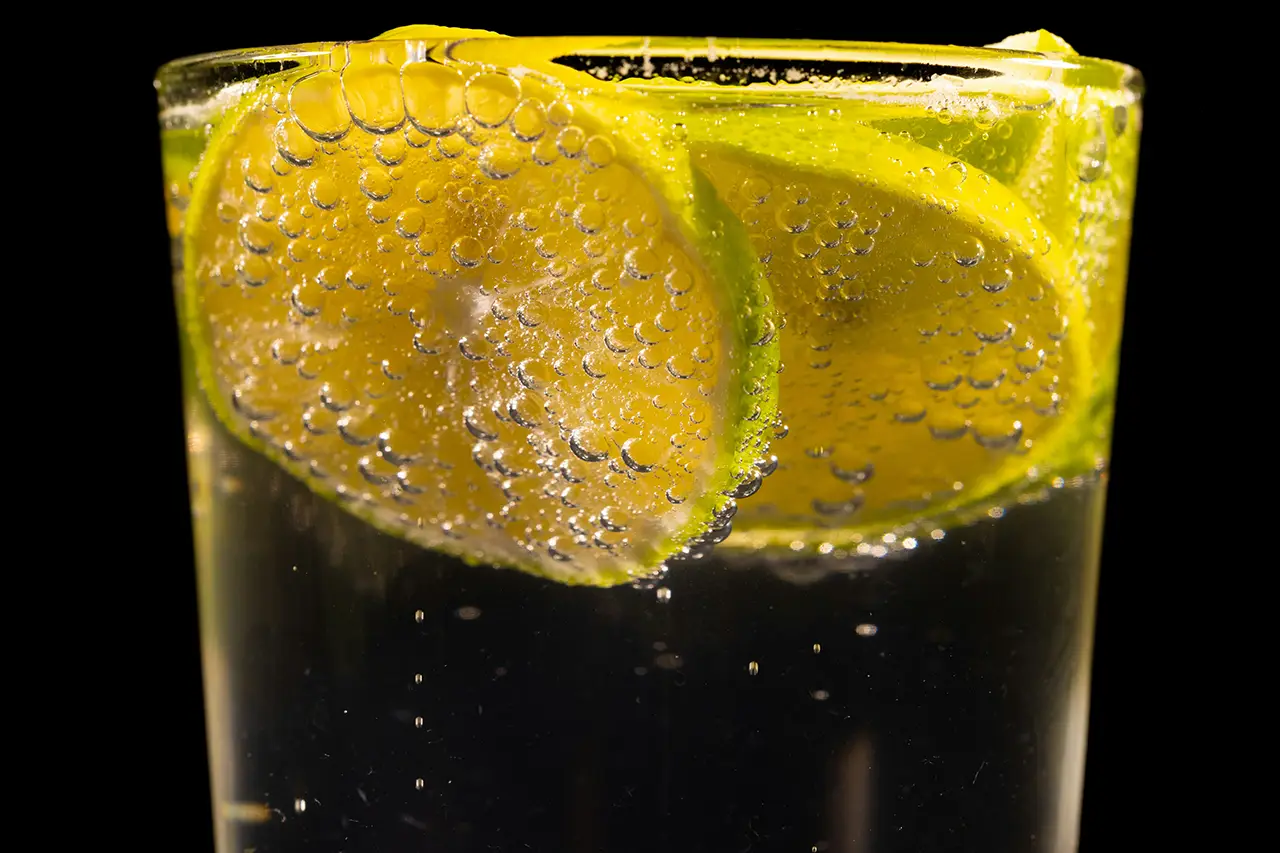
Walk into any café, restaurant or gastro pub today and you will notice something that was far less common even five years ago: a carefully curated soft drinks menu sitting right alongside the wine list and coffee selection. Premium soft drinks have gone from a niche curiosity to an expected part of any quality hospitality offering, and for good reason.
But what actually separates a premium soft drink from the standard options that have lined supermarket shelves for decades? As a family business that has spent over 40 years supplying beverages to the UK hospitality trade, we have watched this shift first-hand. Here is what we believe makes the difference.
The single biggest distinction comes down to what goes into the bottle. Standard soft drinks tend to rely on artificial sweeteners, synthetic flavourings and preservatives to keep costs low and shelf life long. Premium alternatives take a different path entirely.
Brands like Luscombe and Pip Organic, both of which we supply to our trade customers, use real fruit, natural extracts and organic ingredients. There are no artificial colours, no high-fructose corn syrup and no mysterious E-numbers. When you read the label, you recognise every ingredient. That transparency matters to today’s consumers, and it matters to the businesses serving them.
Most standard soft drinks follow a simple formula: sugar, carbonation and a single dominant flavour. Premium soft drinks offer something far more interesting. They tend to feature layered flavour profiles with subtle botanical notes, balanced acidity and a clean finish that does not leave a cloying aftertaste.
Think of it this way. The difference between a standard lemonade and a premium one is similar to the difference between instant coffee and a freshly pulled espresso. Both do the job, but one delivers a genuine experience. For hospitality businesses looking to impress their customers, that experience is everything.
Just as we prioritise ethically sourced coffee beans and Rainforest Alliance certified products across our coffee range, the best premium soft drink producers apply the same principles to their supply chains. Ingredients are sourced responsibly, packaging is designed with the environment in mind, and production processes are held to higher standards.
Brands such as Mangajo, for example, source their acai directly from the Amazon and use antioxidant-rich green and red teas without adding sugars, sweeteners or preservatives. This commitment to quality sourcing is a hallmark of the premium category and something that resonates strongly with consumers who care about where their food and drink comes from.
Here is the practical side that every café and restaurant owner should consider. Premium soft drinks command a higher price point, and customers are willing to pay it. When someone orders a bottle of craft lemonade or an organic pressed juice, they expect to pay more than they would for a mass-produced fizzy drink, and they are happy to do so when the quality justifies it.
This means better margins for your business without any additional effort from your team. It is one of the simplest ways to increase your average spend per customer.
Consumer expectations have shifted. People who choose your café for its quality coffee or your restaurant for its carefully sourced menu will notice if the soft drink offering does not match. A thoughtful selection of premium beverages signals that you care about every detail of the customer experience, not just the headline items.
At John Street Beverage, we work with our clients to build a complete beverage offering that reflects the quality of their establishment. From our Street & Co. coffee through to premium teas, soft drinks and beyond, everything we supply is chosen because it meets the standards our customers expect.
If you are looking to upgrade your soft drinks selection or want advice on which brands would suit your business, give us a call on 01322 381380 or drop us an email at orders@jsbeverage.com. We would love to help.


